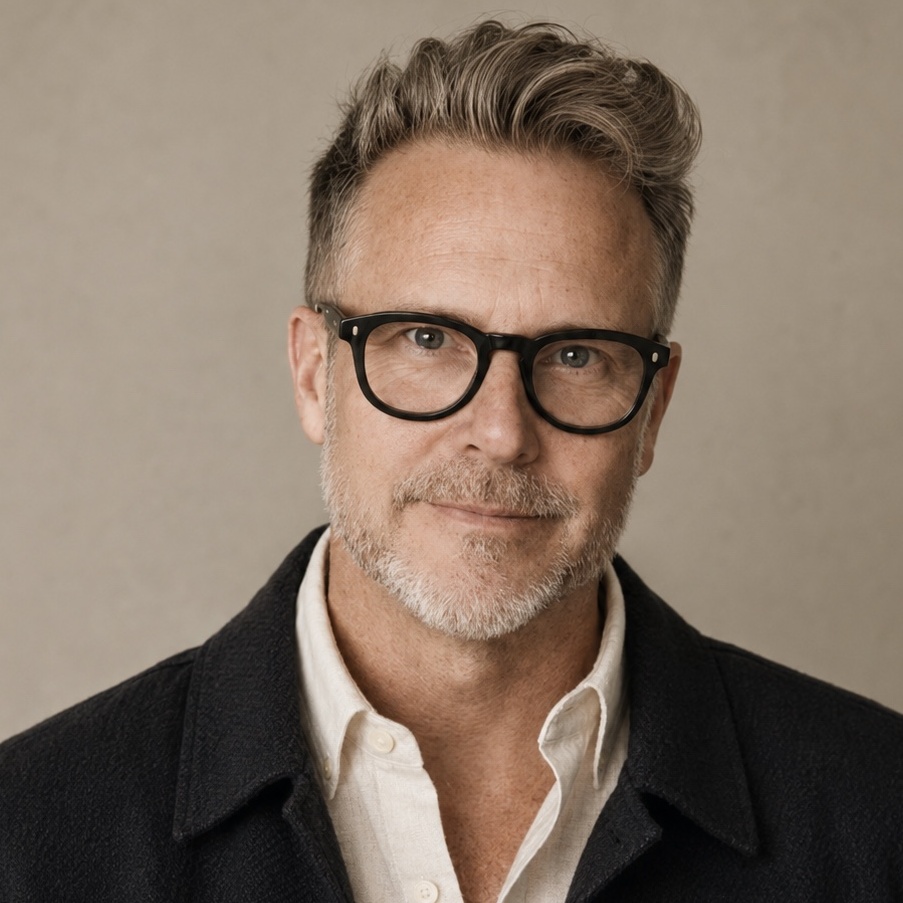
I started my career sourcing products from Asia more than thirty years ago. Over time, that evolved into building commercial partnerships, supply chains and regional businesses for founder-led companies across the region.
The first time I built an Asian business at scale, I did it from London.
Every two weeks I was on another flight. Meetings were compressed into short visits, relationships paused between trips, and momentum was constantly interrupted. The business grew, but it was slower, harder and more demanding than it needed to be.
The next time, I moved to Singapore.
Everything changed.
Being in market wasn’t just about geography. It meant becoming part of the ecosystem — real networks formed over coffee, dinners and introductions, not just scheduled meetings. I wasn’t trying to understand the culture from a distance. I was living in it.
That immersion extended far beyond customers and commercial partners. Singapore sits at the centre of a wider innovation ecosystem: founders, investors, hospitality operators and organisations working across AI, food innovation and sustainability. Understanding how those networks connect often creates opportunities that simply aren’t visible from overseas.
Decisions happened faster. Trust developed naturally. Opportunities appeared that don’t exist when you’re flying in every few weeks.
The business wasn’t just built faster.
It was built differently.
That’s when I realised the challenge wasn’t capability.
It was proximity.
Most companies aren’t ready to commit to offices, permanent hires and regional infrastructure before they’ve proved the market. But trying to build a business remotely isn’t the answer either.
SupplyLabs was created to solve that problem.
An experienced operator, already embedded in the region, building commercial capability from inside the market until the business is ready to take over itself.
. Rupert